

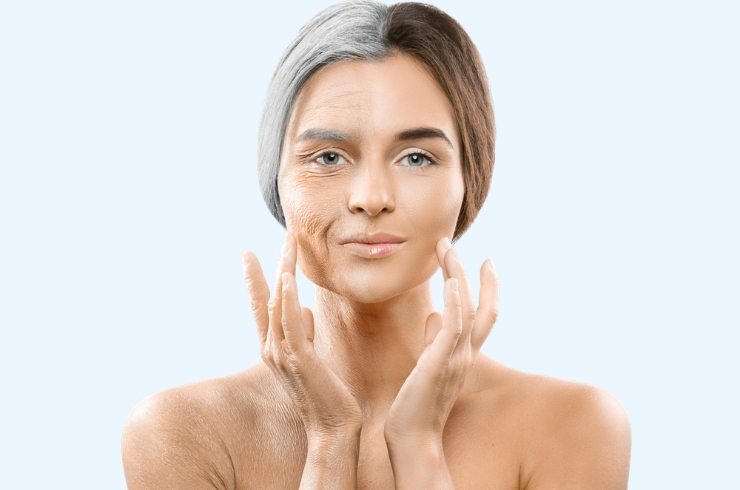
Ageing is a natural biological process that affects every individual over time. However, when age-related changes appear earlier than expected, the condition is often referred to as premature ageing. Premature ageing involves changes in the body’s appearance, function, and overall vitality that occur before the typical age-related timeline.
It is important to understand that chronological age (the number of years a person has lived) and biological age (the condition of the body’s tissues and organs) are not always the same. Some individuals may appear younger or older than their actual age depending on their lifestyle, genetics, environment, and overall health.
Premature ageing can affect multiple body systems, including:
Skin
Hair
Brain and nervous system
Heart and blood vessels
Joints and bones
Digestive system
Immune system
The process may develop gradually over time and can influence both physical appearance and overall health.
Symptoms and signs may vary among individuals but often include:
Early wrinkles and fine lines
Dry or thinning skin
Age spots and uneven skin tone
Hair thinning or premature hair loss
Reduced energy levels
Joint stiffness and discomfort
Decreased muscle strength
Reduced concentration and memory
Vision changes, including difficulty focusing on nearby objects
Slower recovery from illness or injury
In some cases, premature ageing may occur without obvious symptoms until a health problem develops.
Several factors may contribute to accelerated ageing:
Inherited traits can influence how quickly certain age-related changes occur.
Excessive exposure to ultraviolet (UV) radiation is one of the leading causes of premature skin ageing.
A diet lacking essential nutrients may affect cellular health and contribute to early ageing.
Smoking accelerates skin damage, reduces blood flow, and increases oxidative stress throughout the body.
Long-term physical or emotional stress can negatively affect overall health and may contribute to accelerated ageing.
A sedentary lifestyle can lead to reduced muscle mass, decreased cardiovascular fitness, and other age-related changes.
Exposure to pollution, toxins, chemicals, and excessive radiation may increase cellular damage over time.
Certain chronic illnesses may contribute to premature ageing of specific organs or body systems.
Intrinsic ageing refers to the natural ageing process that occurs due to genetic and biological factors. It is a normal part of life and affects everyone to varying degrees.
Extrinsic ageing results from external influences such as:
Sun exposure
Smoking
Pollution
Poor lifestyle habits
Environmental damage
Many visible signs of premature ageing are linked to extrinsic factors.
The skin is often the first organ to show signs of ageing. Common features include:
Fine lines and wrinkles
Loss of elasticity
Dryness
Uneven pigmentation
Rough skin texture
Age spots
Thinning skin
Photoageing refers to skin ageing caused by long-term exposure to sunlight. Repeated exposure to ultraviolet rays can lead to:
Wrinkles
Sunspots
Loss of skin elasticity
Uneven skin tone
Increased risk of skin cancer
Protecting the skin from excessive sun exposure is one of the most effective ways to reduce premature skin ageing.
Healthy lifestyle habits can help support overall well-being and reduce the risk of premature ageing:
Follow a balanced, nutrient-rich diet
Exercise regularly
Avoid smoking and tobacco products
Limit excessive alcohol consumption
Manage stress effectively
Get adequate sleep
Stay hydrated
Protect the skin from sun damage
Attend regular health check-ups
Management of premature ageing focuses on identifying contributing factors, supporting overall health, and addressing specific concerns related to the skin, joints, cardiovascular system, or other affected areas.
Some individuals choose complementary therapies such as homeopathy as part of their overall wellness approach. However, homeopathy should not replace evidence-based medical care, preventive health measures, or specialist treatment when required.
Recognizing the early signs of premature ageing and adopting healthy lifestyle practices can help maintain physical function, improve quality of life, and support long-term health. Individuals concerned about accelerated ageing or unexplained changes in their health should seek professional medical evaluation and guidance.