

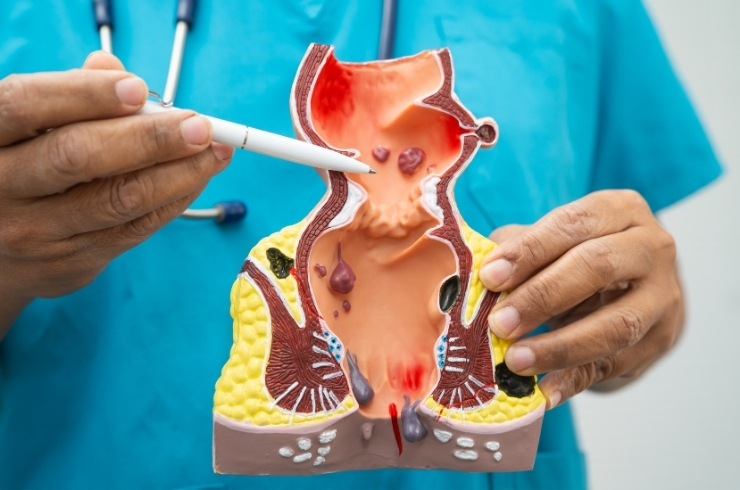
Haemorrhoids, commonly known as piles, are swollen and inflamed veins in the lower rectum and anus. They are a common condition that can cause discomfort, itching, pain, and bleeding during bowel movements. Haemorrhoids can affect people of all ages, although they are more common in adults and older individuals.
The condition develops when increased pressure is placed on the veins in the rectal area, causing them to enlarge and become swollen.
Several factors may contribute to the development of haemorrhoids, including:
Chronic constipation
Straining during bowel movements
Prolonged sitting on the toilet
Low-fiber diet
Pregnancy
Obesity
Aging
Heavy lifting
Chronic diarrhea
These factors can increase pressure within the rectal veins and contribute to the formation of haemorrhoids.
Internal haemorrhoids develop inside the rectum and are usually not visible. They often cause:
Painless rectal bleeding
Bright red blood during bowel movements
Sensation of incomplete bowel evacuation
Prolapse (protrusion) of haemorrhoidal tissue in some cases
External haemorrhoids occur under the skin around the anus and may cause:
Pain and discomfort
Itching and irritation
Swelling around the anal area
Tenderness during bowel movements
Difficulty sitting comfortably
Common symptoms include:
Rectal bleeding during bowel movements
Pain or discomfort around the anus
Itching and irritation
Swelling near the anal opening
A lump or protrusion around the anus
Mucus discharge
Feeling of incomplete bowel emptying
The severity of symptoms can vary from mild discomfort to significant pain and bleeding.
The risk of developing haemorrhoids may increase due to:
Increasing age
Pregnancy and childbirth
Sedentary lifestyle
Obesity
Poor dietary habits
Chronic digestive disorders
Family history of haemorrhoids
Many cases of haemorrhoids can be prevented or managed through healthy lifestyle habits:
A high-fiber diet helps soften stools and reduce straining. Good sources of fiber include:
Fruits
Vegetables
Whole grains
Legumes
Nuts and seeds
Drinking adequate amounts of water throughout the day helps maintain regular bowel movements and prevents constipation.
Physical activity promotes healthy digestion and reduces the risk of constipation.
Avoid excessive straining during bowel movements and respond promptly to the urge to pass stool.
Avoid prolonged sitting on the toilet
Follow a regular bowel routine
Practice good anal hygiene
Conservative measures that may help relieve symptoms include:
Warm sitz baths
Maintaining proper hydration
Consuming a high-fiber diet
Using stool softeners when recommended by a healthcare professional
Following medical advice regarding topical treatments
Treatment depends on the severity and type of haemorrhoids. Management may include dietary changes, lifestyle modifications, medications, minimally invasive procedures, or surgical treatment when necessary.
Some individuals choose complementary therapies such as homeopathy as part of their overall wellness approach. However, homeopathy should not replace evidence-based medical diagnosis and treatment. Persistent bleeding, severe pain, or recurring symptoms should always be evaluated by a qualified healthcare professional.
Medical consultation is recommended if you experience:
Persistent rectal bleeding
Severe pain
Recurrent haemorrhoids
Significant swelling
Changes in bowel habits
Symptoms that do not improve with conservative measures
Early diagnosis and appropriate treatment can help prevent complications and improve quality of life.