

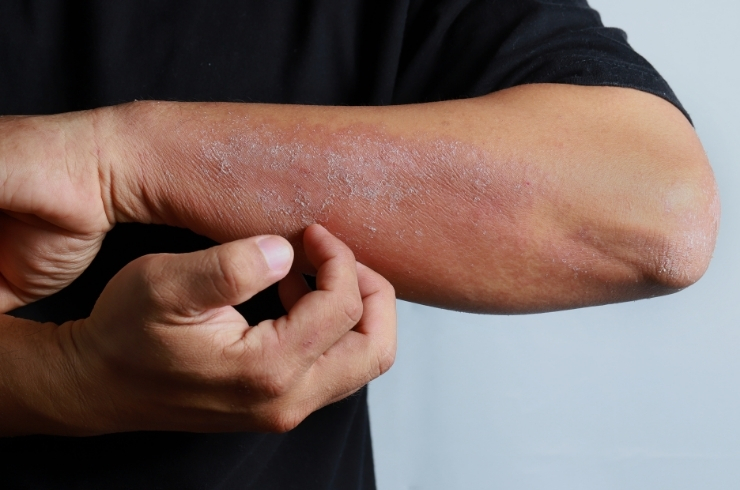
Lichen Planus is a chronic inflammatory condition that can affect the skin, mucous membranes, nails, and, in some cases, the scalp. It is characterized by the appearance of itchy, flat-topped, purplish skin lesions and may also involve the lining of the mouth, genital area, and other mucosal surfaces.
Although the exact cause of Lichen Planus remains unknown, it is generally considered an immune-mediated condition in which the body’s immune system mistakenly attacks healthy skin or mucosal cells. The condition is not contagious and cannot be transmitted through physical contact or sexual activity.
Lichen Planus can occur in individuals of any age, but it is most commonly seen in middle-aged adults. The condition tends to affect women slightly more often than men, while it is relatively uncommon in children.
Some studies suggest an association between Lichen Planus and certain medical conditions, including thyroid disorders such as hypothyroidism.
The classic skin lesions of Lichen Planus are often described by the “5 P’s”:
Pruritic (itchy)
Purple
Planar (flat-topped)
Polygonal
Papules (small raised bumps)
Common symptoms include:
Itchy skin rashes
Flat-topped purple or reddish lesions
Skin inflammation
Burning or discomfort in affected areas
Dark brown or bluish pigmentation after lesions heal
The wrists, ankles, lower back, and waist area are among the most commonly affected sites.
This form affects the skin and is characterized by itchy, purple-colored lesions that may gradually fade, leaving temporary skin discoloration.
Oral Lichen Planus affects the lining of the mouth and may present in several forms:
The most common form, appearing as white, lace-like streaks known as Wickham’s striae on the inner cheeks, tongue, gums, lips, or palate.
Characterized by fluid-filled blisters that develop within the oral tissues.
Presents as painful red or ulcerated areas inside the mouth and may cause discomfort while eating, drinking, or speaking.
Lichen Planus may also affect the genital mucosa, causing irritation, discomfort, inflammation, and erosive lesions.
In some individuals, the condition may affect the nails or scalp, potentially leading to nail abnormalities or hair loss in affected areas.
While the exact cause remains uncertain, factors that may contribute to the development of Lichen Planus include:
Immune system dysfunction
Genetic predisposition
Certain medications
Viral infections
Autoimmune disorders
Chronic stress
The condition is not caused by poor hygiene and is not contagious.
Diagnosis is typically based on:
Detailed medical history
Clinical examination
Skin or mucosal biopsy when necessary
Laboratory investigations to rule out related conditions
Accurate diagnosis helps differentiate Lichen Planus from other skin disorders such as psoriasis, eczema, or autoimmune diseases.
Depending on the area involved, Lichen Planus may cause:
Persistent itching and discomfort
Skin discoloration after healing
Painful oral ulcers
Difficulty eating or speaking
Scarring in severe cases
Reduced quality of life due to chronic symptoms
Long-term monitoring may be recommended for certain forms of oral Lichen Planus because persistent lesions occasionally require ongoing evaluation.
Treatment focuses on reducing inflammation, relieving symptoms, controlling flare-ups, and improving quality of life. Management may include lifestyle modifications, skin care measures, topical or systemic medications, and regular medical follow-up.
Some individuals choose complementary therapies such as homeopathy as part of their overall wellness approach. However, homeopathy should not replace evidence-based medical evaluation and treatment. A personalized treatment plan should always be developed under the guidance of a qualified healthcare professional.
Lichen Planus may improve, recur, or enter periods of remission over time. Regular follow-up, proper skin care, and adherence to medical advice can help manage symptoms effectively and support long-term skin and oral health.
Individuals experiencing persistent skin rashes, oral lesions, or unexplained itching should seek professional medical evaluation for accurate diagnosis and appropriate care.