

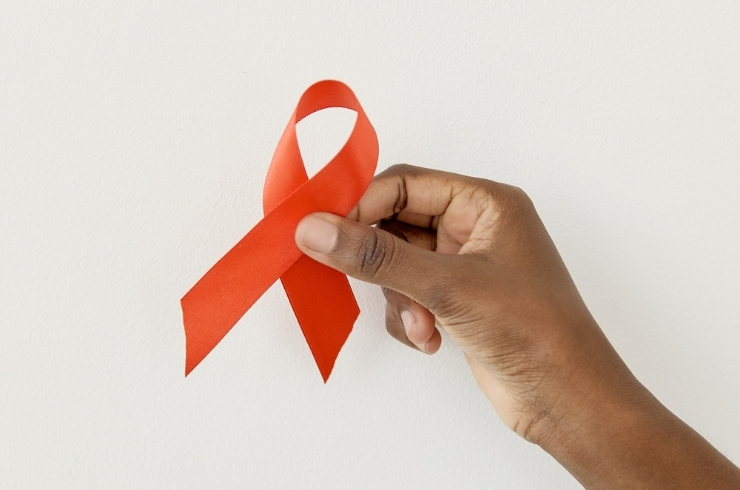
Cancer is a group of diseases characterized by the uncontrolled growth and spread of abnormal cells. It can affect almost any part of the body, including the lungs, breast, colon, prostate, blood, skin, and many other organs. If not detected and treated appropriately, cancer can spread to other parts of the body and become life-threatening.
Cancer remains one of the leading causes of illness and death worldwide. However, advances in screening, early diagnosis, and treatment have significantly improved outcomes for many types of cancer.
The development of cancer is influenced by a combination of genetic, environmental, and lifestyle factors. Common risk factors include:
Tobacco use and smoking
Excessive alcohol consumption
Exposure to harmful radiation
Unhealthy diet and obesity
Physical inactivity
Certain viral and bacterial infections
Environmental pollutants and occupational exposures
Family history and genetic predisposition
Prolonged exposure to ultraviolet (UV) radiation
While these factors may increase the risk of developing cancer, not everyone exposed to them will develop the disease, and some individuals may develop cancer without any known risk factors.
Symptoms vary depending on the type and location of cancer. Some common warning signs include:
Unexplained weight loss
Persistent fatigue
Chronic cough or hoarseness
Unusual bleeding or discharge
Persistent pain
Changes in bowel or bladder habits
Non-healing sores or ulcers
Difficulty swallowing
Lumps or swelling in any part of the body
Any persistent or unusual symptom should be evaluated by a healthcare professional.
Although not all cancers can be prevented, the risk can be reduced by adopting healthy lifestyle habits:
Avoid tobacco in all forms
Limit alcohol consumption
Maintain a healthy body weight
Follow a balanced diet rich in fruits and vegetables
Engage in regular physical activity
Protect the skin from excessive sun exposure
Get recommended vaccinations, such as HPV and Hepatitis B vaccines
Participate in routine health screenings and cancer check-ups
Avoid exposure to harmful chemicals and environmental pollutants
A nutritious diet plays an important role in overall health and may help reduce the risk of certain cancers. General recommendations include:
Eating plenty of fresh fruits and vegetables
Choosing whole grains over refined foods
Including nuts, seeds, and legumes in the diet
Limiting processed and red meat consumption
Reducing the intake of sugary beverages and highly processed foods
Staying adequately hydrated
Maintaining a healthy weight
A cancer diagnosis can affect emotional, mental, and physical well-being. Support from family, friends, healthcare providers, and support groups can help individuals cope with the challenges of treatment and recovery.
Stress management techniques such as meditation, yoga, relaxation exercises, and counseling may contribute positively to overall quality of life.
Some individuals choose to use homeopathy as a complementary approach alongside conventional cancer treatment. Homeopathy should not be considered a replacement for evidence-based cancer therapies such as surgery, chemotherapy, radiation therapy, immunotherapy, or targeted treatments.
Patients should always consult qualified healthcare professionals before beginning any complementary therapy to ensure safe and coordinated care.
Early diagnosis significantly improves treatment outcomes for many types of cancer. Regular medical check-ups, awareness of symptoms, and participation in recommended screening programs can help detect cancer at an earlier and more treatable stage.
With timely medical care, healthy lifestyle choices, and appropriate support, many individuals diagnosed with cancer can achieve improved health outcomes and quality of life.