

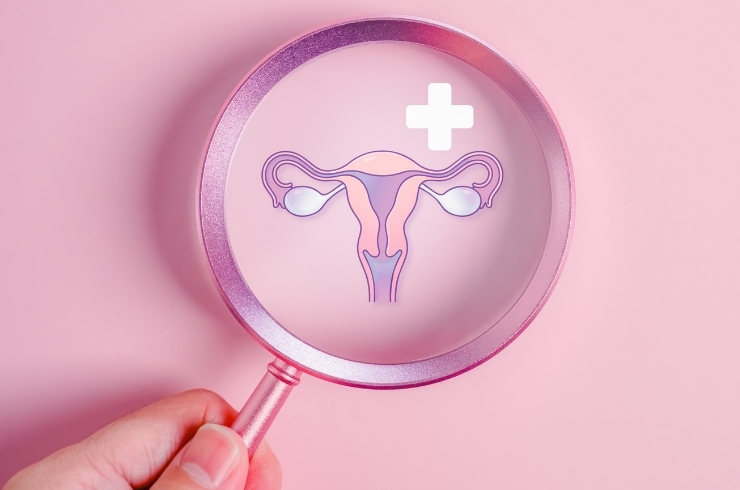
Polycystic Ovarian Disease (PCOD), also known as Polycystic Ovary Syndrome (PCOS), is a common hormonal disorder that affects women of reproductive age. The condition occurs when the ovaries produce an imbalance of reproductive hormones, which can interfere with the normal growth and release of eggs during the menstrual cycle.
The ovaries are two small glands located on either side of the uterus. They produce eggs (ova) and hormones such as estrogen and progesterone, which regulate the menstrual cycle and support reproductive health. In women with PCOD, the normal process of ovulation may be disrupted, leading to irregular menstrual cycles and the development of multiple small follicles within the ovaries.
The exact cause of PCOD is not fully understood, but several factors are believed to contribute to its development:
Hormonal imbalance
Insulin resistance
Genetic predisposition or family history
Excess androgen (male hormone) production
Lifestyle and environmental factors
Obesity or excess body weight
Many women with PCOD have a combination of these contributing factors.
Symptoms can vary from person to person and may develop gradually. Common symptoms include:
Irregular or missed menstrual periods
Infrequent ovulation
Difficulty conceiving (infertility)
Excessive weight gain or difficulty losing weight
Acne and oily skin
Excess facial or body hair growth (hirsutism)
Thinning hair or hair loss from the scalp
Darkening of the skin in certain areas
Fatigue and low energy levels
Not all women with PCOD experience the same symptoms, and the severity can vary considerably.
If left untreated, PCOD may increase the risk of several health conditions, including:
Infertility
Type 2 diabetes
Insulin resistance
High blood pressure
High cholesterol levels
Heart disease
Obesity
Sleep disorders
Anxiety and depression
Endometrial abnormalities
Early diagnosis and proper management can help reduce the risk of these complications.
PCOD cannot usually be diagnosed through a single test. Healthcare professionals typically evaluate symptoms, medical history, and test results before making a diagnosis.
Blood tests may be performed to assess hormone levels, including:
Testosterone
Luteinizing Hormone (LH)
Follicle Stimulating Hormone (FSH)
Insulin levels
Blood sugar levels
These tests also help rule out other hormonal disorders that may cause similar symptoms.
A pelvic ultrasound may be recommended to examine the ovaries and identify the presence of multiple follicles or enlarged ovaries.
Doctors may also assess:
Menstrual history
Weight changes
Skin and hair symptoms
Family history of hormonal disorders
Lifestyle modifications are often an important part of managing PCOD.
A balanced diet rich in fruits, vegetables, whole grains, lean proteins, and healthy fats may help improve overall health and support hormonal balance.
Physical activity can help with:
Weight management
Improved insulin sensitivity
Better hormonal regulation
Enhanced cardiovascular health
Even modest weight loss may help improve menstrual regularity and reduce symptoms in some women with PCOD.
Stress reduction techniques such as yoga, meditation, and relaxation exercises may support overall well-being.
Treatment for PCOD depends on the individual’s symptoms, health goals, and reproductive plans. Management may include lifestyle modifications, weight management, hormonal treatments, fertility support when needed, and regular monitoring of associated health conditions.
Some individuals choose complementary therapies such as homeopathy as part of their overall wellness approach. However, homeopathy should not replace evidence-based medical diagnosis and treatment. Women with PCOD should work closely with qualified healthcare professionals to develop a personalized management plan.
Early recognition and appropriate treatment can help manage symptoms, improve reproductive health, reduce long-term health risks, and enhance overall quality of life. Women experiencing irregular periods, unexplained weight gain, fertility concerns, or other symptoms suggestive of PCOD should seek professional medical evaluation.