

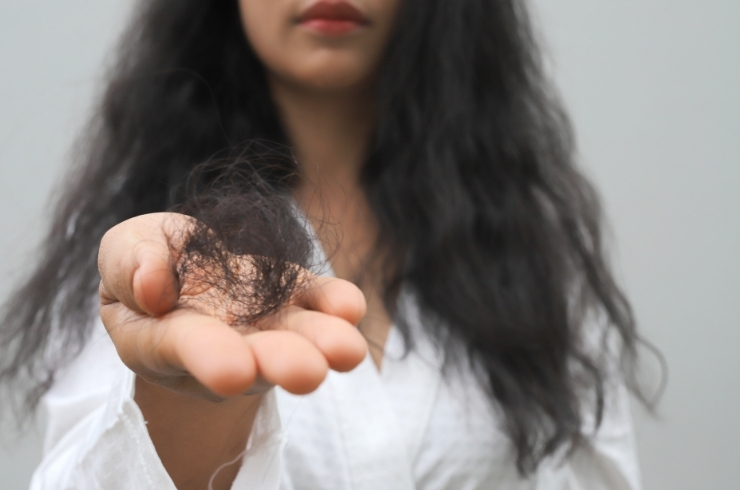
Hair fall is a common condition that affects both men and women of all ages. While losing a certain amount of hair each day is a normal part of the hair growth cycle, excessive hair shedding or noticeable thinning may indicate an underlying health concern that requires attention.
Hair loss can affect the scalp as well as other parts of the body and may occur gradually or suddenly depending on the cause. It can have a significant impact on self-confidence, appearance, and emotional well-being.
Hair grows in a continuous cycle consisting of three phases:
The active growth stage during which hair follicles produce new hair.
A short transitional period when hair growth slows down.
The phase in which old hairs are shed and replaced by new growth.
Disruption of this natural cycle can lead to increased hair fall or thinning.
Hair loss can result from a variety of factors, including:
Hereditary hair loss, also known as androgenetic alopecia, is one of the most common causes of hair thinning in both men and women.
Hormonal imbalances may contribute to hair loss, including:
Thyroid disorders
Polycystic Ovary Syndrome (PCOS)
Pregnancy and postpartum changes
Menopause
Inadequate intake of essential nutrients may affect hair health, including deficiencies of:
Iron
Vitamin D
Vitamin B12
Protein
Zinc
Physical or emotional stress may trigger temporary hair shedding, known as telogen effluvium.
Certain health conditions can contribute to hair loss, such as:
Autoimmune disorders
Scalp infections
Anemia
Chronic illnesses
Hair loss may occur as a side effect of certain medications used for:
High blood pressure
Depression
Cancer treatment
Hormonal disorders
Excessive use of heat styling tools, chemical treatments, tight hairstyles, and harsh hair products may damage hair and contribute to breakage or hair loss.
Common signs include:
Excessive hair shedding while combing or washing
Thinning hair
Receding hairline
Widening parting of the scalp
Bald patches
Reduced hair volume
Increased visibility of the scalp
A hereditary form of hair loss that affects both men and women.
An autoimmune condition that causes sudden patchy hair loss.
Temporary hair shedding often triggered by stress, illness, hormonal changes, or nutritional deficiencies.
Hair loss caused by prolonged tension on the hair from tight hairstyles.
Healthy hair care practices may help reduce unnecessary hair loss:
Follow a balanced, nutrient-rich diet
Maintain adequate protein intake
Manage stress effectively
Avoid excessive heat styling
Use mild hair care products
Avoid tight hairstyles
Get sufficient sleep
Stay hydrated
The cause of hair fall is often identified through:
Medical history evaluation
Physical examination of the scalp
Blood tests
Hormonal assessment when necessary
Scalp examination or specialized hair analysis
Accurate diagnosis is important because treatment depends on the underlying cause.
Treatment for hair fall varies according to the cause and severity of the condition. Management may include nutritional support, treatment of underlying medical conditions, lifestyle modifications, scalp care, and medical therapies when appropriate.
Some individuals choose complementary therapies such as homeopathy as part of their overall wellness approach. However, homeopathy should not replace evidence-based medical evaluation and treatment. Individuals experiencing persistent or severe hair loss should consult a qualified healthcare professional for proper diagnosis and management.
Professional evaluation is recommended if:
Hair loss is sudden or severe
Bald patches develop
Hair thinning progresses rapidly
Hair loss is accompanied by other symptoms
There is a family history of significant hair loss
Early diagnosis and appropriate treatment can help identify underlying causes and improve overall hair and scalp health.