

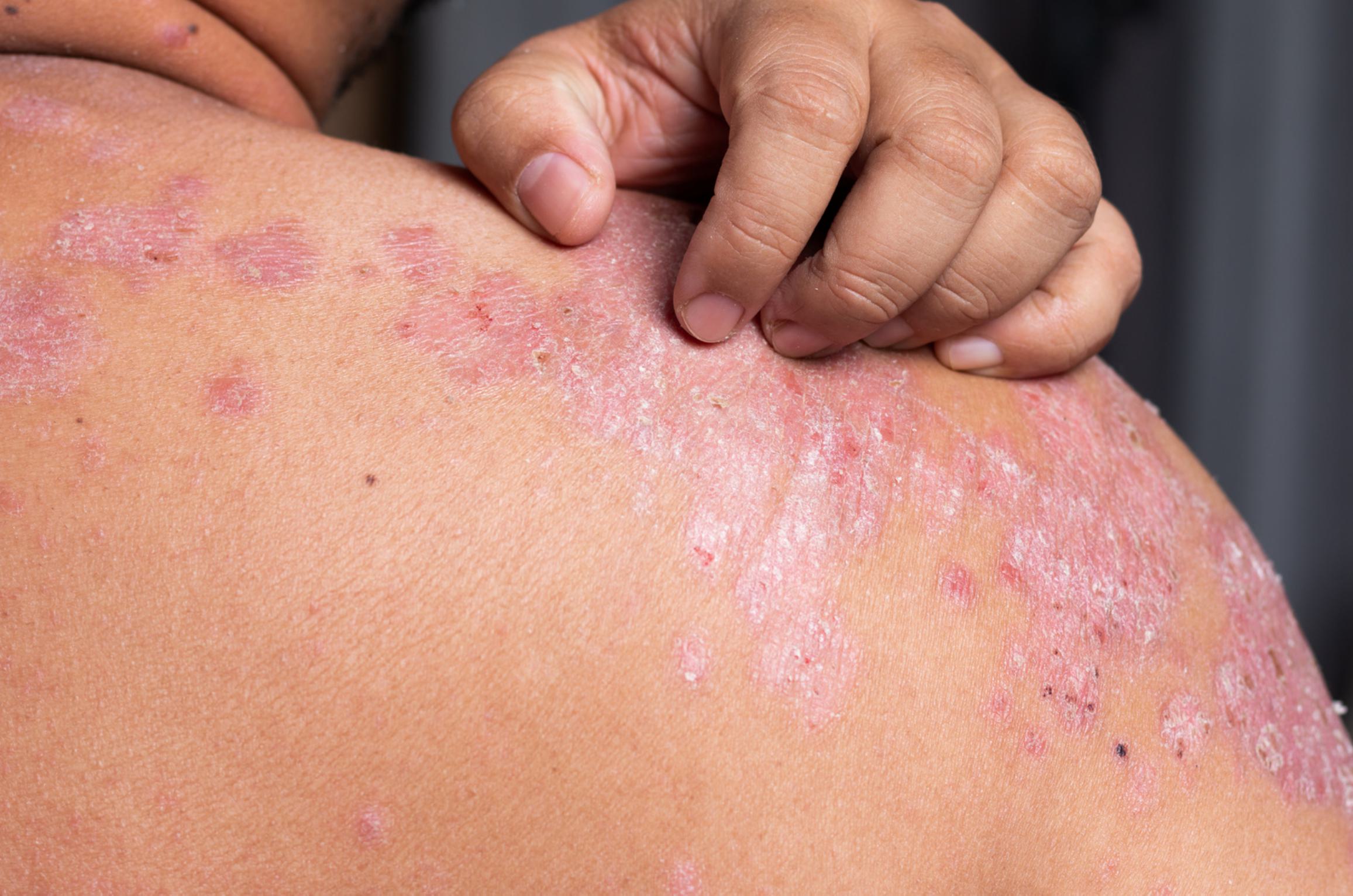
Psoriasis is a chronic autoimmune skin condition that causes skin cells to multiply more rapidly than normal. As a result, skin cells accumulate on the surface, forming thick, red, inflamed patches covered with silvery-white scales. The condition can affect individuals of any age and may vary from mild, localized patches to more widespread skin involvement.
Psoriasis is not contagious and cannot be spread through physical contact, sharing personal items, or close interaction with affected individuals.
Psoriasis is believed to result from an abnormal immune system response that accelerates the skin cell life cycle. In healthy skin, new skin cells develop and replace old cells over several weeks. In psoriasis, this process occurs much more rapidly, causing excess skin cells to build up on the surface.
Several factors may contribute to the development of psoriasis, including:
Genetic predisposition
Immune system dysfunction
Environmental triggers
Stress and emotional factors
Certain infections
Skin injuries
Smoking
Excessive alcohol consumption
Certain medications
While genetics play an important role, not everyone with a family history of psoriasis will develop the condition.
Symptoms vary depending on the type and severity of the condition. Common symptoms include:
Red, inflamed patches of skin
Silvery-white scales
Itching and irritation
Dry, cracked skin
Burning or soreness
Thickened skin plaques
Flaking of the skin
Nail changes such as pitting or discoloration
The severity of symptoms can range from small isolated patches to extensive skin involvement.
Psoriasis can affect various parts of the body, including:
Scalp
Elbows
Knees
Lower back
Hands and feet
Face
Nails
In some cases, psoriasis may also affect the joints, leading to a condition known as psoriatic arthritis.
The most common form, characterized by raised red patches covered with silvery scales.
Often appears as small, drop-shaped lesions and may develop after certain infections.
Occurs in skin folds such as the armpits, groin, and under the breasts.
Characterized by pus-filled blisters surrounded by inflamed skin.
A rare but severe form that can affect large areas of the body and requires prompt medical attention.
Psoriasis can affect more than just the skin. Some individuals may experience:
Reduced self-confidence
Social embarrassment
Emotional stress
Anxiety or depression
Reduced quality of life
Education and awareness are important in helping to reduce misconceptions about the condition.
Diagnosis is typically based on:
Medical history
Physical examination
Evaluation of skin lesions
Skin biopsy in selected cases
A proper diagnosis helps distinguish psoriasis from other skin conditions such as eczema, fungal infections, or dermatitis.
Although psoriasis is a chronic condition, symptoms can often be effectively managed through appropriate care.
Helpful measures include:
Keeping the skin moisturized
Avoiding known triggers
Managing stress
Following a healthy lifestyle
Avoiding smoking and excessive alcohol consumption
Protecting the skin from injury when possible
Treatment depends on the type, severity, and extent of psoriasis. Management may include topical therapies, phototherapy, systemic medications, biologic treatments, and lifestyle modifications.
Some individuals choose complementary therapies such as homeopathy as part of their overall wellness approach. However, homeopathy should not replace evidence-based dermatological care or medical treatment. Individuals with persistent or severe symptoms should consult a qualified healthcare professional for proper evaluation and management.
Early diagnosis and appropriate treatment can help control symptoms, reduce flare-ups, improve skin health, and enhance overall quality of life. Individuals experiencing persistent skin rashes, scaling, or unexplained skin changes should seek professional medical advice for accurate diagnosis and treatment.