

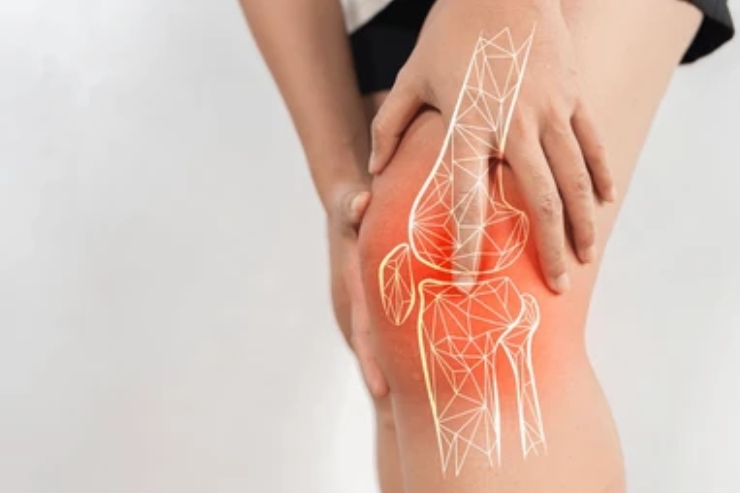
Osteoarthritis (OA) is the most common form of arthritis and is a chronic joint disorder characterized by the gradual breakdown of cartilage, the protective tissue that cushions the ends of bones within joints. As cartilage wears away over time, bones may begin to rub against each other, leading to pain, stiffness, swelling, and reduced joint mobility.
Osteoarthritis can affect any joint but most commonly involves the knees, hips, hands, feet, neck, and spine. It is one of the leading causes of pain and physical disability among older adults worldwide.
Cartilage acts as a shock absorber, allowing joints to move smoothly. When this protective layer deteriorates, the joint becomes less flexible and more painful.
Osteoarthritis may develop due to several factors, including:
The risk of osteoarthritis increases with age as joints undergo natural wear and tear over time.
Excess body weight places additional stress on weight-bearing joints such as the knees, hips, and lower back, increasing the risk of cartilage damage.
Previous injuries, repetitive movements, or excessive strain on joints may contribute to the development of osteoarthritis.
Some individuals may inherit a predisposition to osteoarthritis, particularly involving the hands and fingers.
People born with joint abnormalities may develop osteoarthritis earlier in life.
Certain health conditions may increase the risk of secondary osteoarthritis, including:
Gout
Pseudogout
Diabetes
Hormonal disorders
Metabolic conditions
Primary osteoarthritis develops gradually without a clearly identifiable underlying cause and is most commonly associated with aging.
Secondary osteoarthritis occurs as a result of another condition or injury, such as obesity, joint trauma, congenital abnormalities, metabolic disorders, or inflammatory joint diseases.
Symptoms often develop gradually and may worsen over time.
Common symptoms include:
Joint pain
Joint stiffness, especially after periods of rest
Swelling around affected joints
Reduced range of motion
Difficulty walking or standing for long periods
Joint tenderness
Grinding or cracking sensations during movement
Joint weakness
Pain is often more noticeable after physical activity and may improve with rest in the early stages of the disease.
Osteoarthritis most frequently affects:
Knees
Hips
Hands and fingers
Spine (neck and lower back)
Feet and toes
Osteoarthritis can cause characteristic bony enlargements in the finger joints:
Heberden’s Nodes: Bony enlargements at the joints closest to the fingertips.
Bouchard’s Nodes: Bony enlargements at the middle finger joints.
These changes may be associated with stiffness and reduced finger mobility.
If left untreated or poorly managed, osteoarthritis may lead to:
Chronic pain
Significant joint stiffness
Reduced mobility
Difficulty performing daily activities
Muscle weakness
Decreased quality of life
Although osteoarthritis cannot always be prevented, certain measures may help reduce risk and slow progression:
Maintain a healthy body weight
Engage in regular low-impact exercise
Protect joints from injury
Strengthen supporting muscles
Follow a balanced diet
Manage underlying health conditions
Avoid repetitive joint strain when possible
Treatment aims to relieve pain, improve joint function, and maintain mobility. Management may include:
Lifestyle modifications
Weight management
Physical therapy
Exercise programs
Pain management strategies
Assistive devices when necessary
Medical treatment recommended by healthcare professionals
Some individuals choose complementary therapies such as homeopathy as part of their overall wellness approach. However, homeopathy should not replace evidence-based medical care. A comprehensive evaluation by a qualified healthcare professional is important to develop an appropriate treatment plan.
Early diagnosis and timely intervention can help reduce symptoms, improve joint function, and maintain an active lifestyle. Individuals experiencing persistent joint pain, stiffness, or difficulty with movement should seek medical advice for proper evaluation and management.