

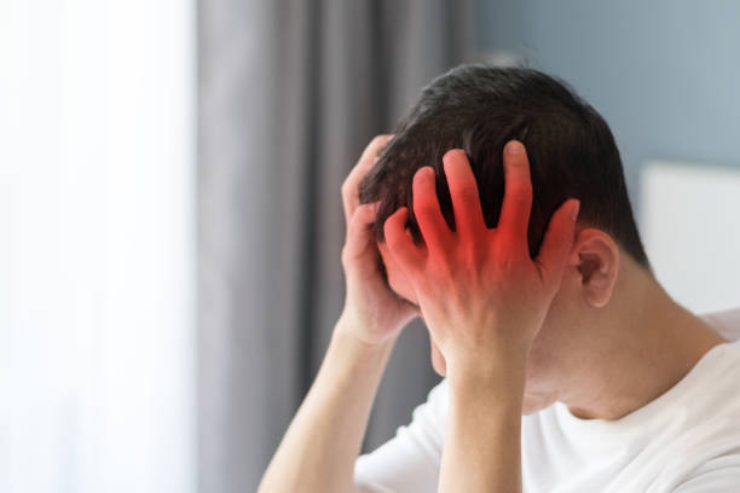
Migraine is a neurological condition characterized by recurrent episodes of moderate to severe headaches, often accompanied by a range of other symptoms. Unlike an ordinary headache, a migraine can significantly interfere with daily activities and quality of life. Migraine attacks may last from a few hours to several days and can vary in frequency and intensity among individuals.
The condition is believed to involve complex interactions between the brain, blood vessels, nerves, and certain chemical messengers. Various triggers may contribute to the onset of migraine attacks, although the exact mechanisms are not fully understood.
Migraine symptoms can vary from person to person and often occur in stages.
Many individuals experience symptoms hours or even days before a migraine attack begins. These may include:
Fatigue or excessive sleepiness
Irritability
Mood changes, including depression or euphoria
Frequent yawning
Difficulty concentrating
Food cravings, particularly for sweet or salty foods
Increased sensitivity to environmental stimuli
These early symptoms may serve as warning signs that a migraine attack is approaching.
During a migraine attack, individuals may experience:
Moderate to severe headache
Throbbing or pulsating pain
Pain on one side of the head (although both sides can be affected)
Nausea
Vomiting
Sensitivity to light (photophobia)
Sensitivity to sound (phonophobia)
Sensitivity to certain smells
Dizziness
Blurred vision
Physical activity often worsens migraine symptoms.
Approximately 20% of people with migraines experience an aura before or during the headache phase. An aura consists of temporary neurological symptoms that usually develop gradually and resolve within an hour.
The most common type of aura includes:
Flashing lights
Zigzag patterns
Bright or shimmering spots
Temporary blind spots (scotomas)
Distorted vision
Some individuals may experience:
Tingling or “pins and needles” sensations
Numbness affecting the face, mouth, arm, or hand
Altered sensation on one side of the body
Less commonly, people may experience:
Hearing disturbances
Difficulty speaking
Unusual smells or tastes
Temporary confusion
After a migraine attack, many individuals experience a recovery period known as the postdrome phase. Symptoms may include:
Fatigue and exhaustion
Difficulty concentrating
Mild residual headache
Sensitivity to light and sound
General feeling of being unwell
This phase may last for several hours or up to a day after the headache resolves.
Migraine attacks may be triggered by various factors, including:
Emotional stress
Lack of sleep
Hormonal changes
Dehydration
Skipping meals
Certain foods and beverages
Bright lights
Strong odors
Excessive noise
Weather changes
Identifying and avoiding personal triggers can help reduce the frequency of attacks.
Migraine is typically diagnosed based on:
Detailed medical history
Description of symptoms
Neurological examination
Assessment of headache patterns
Additional investigations may be recommended when necessary to rule out other causes of headaches.
Effective migraine management often involves a combination of lifestyle modifications and medical treatment.
Helpful strategies include:
Maintaining a regular sleep schedule
Staying hydrated
Eating balanced meals regularly
Managing stress effectively
Exercising regularly
Avoiding known migraine triggers
Following medical advice regarding medications
Treatment aims to relieve symptoms during attacks, reduce migraine frequency, and improve overall quality of life. Depending on the severity and frequency of migraines, management may include acute medications, preventive therapies, lifestyle modifications, and trigger management.
Some individuals choose complementary therapies such as homeopathy as part of their overall wellness approach. However, homeopathy should not replace evidence-based medical diagnosis and treatment. Individuals with frequent, severe, or worsening headaches should seek evaluation from a qualified healthcare professional.
Immediate medical attention should be sought if headaches are:
Sudden and severe
Associated with weakness or paralysis
Accompanied by confusion or difficulty speaking
Linked with loss of consciousness
Different from previous migraine patterns
Early diagnosis and proper management can help reduce the impact of migraines and improve long-term quality of life.