

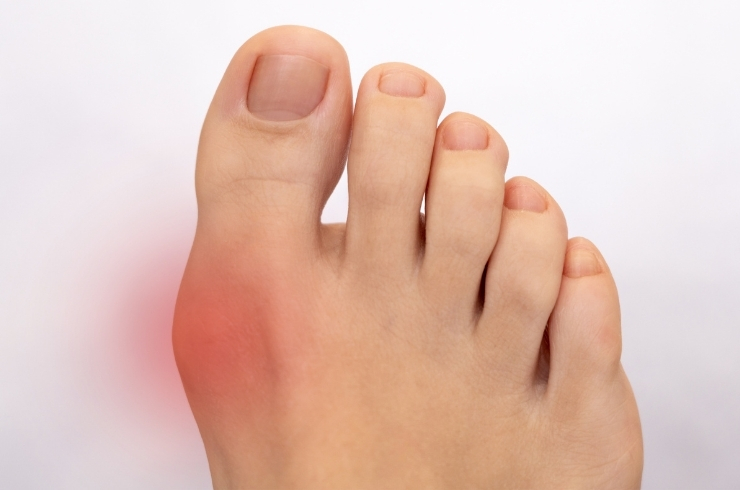
Gout is a form of inflammatory arthritis caused by the accumulation of uric acid crystals in the joints. It develops when the body produces excessive amounts of uric acid or is unable to eliminate it efficiently through the kidneys. As uric acid levels rise, needle-shaped crystals can form in the joints and surrounding tissues, leading to pain, swelling, and inflammation.
Gout can affect both men and women, although it is more common in men and in women after menopause. The condition often occurs in episodes, known as gout attacks, which can range from mild discomfort to severe joint pain.
Gout develops due to elevated levels of uric acid in the bloodstream, a condition known as hyperuricemia. Common factors that may contribute to gout include:
Family history of gout
Reduced kidney function
Diets high in purines (found in red meat, seafood, and certain foods)
Obesity
Excessive alcohol consumption
Diabetes and metabolic syndrome
High blood pressure
Certain medications
Dehydration
Not everyone with elevated uric acid levels develops gout, but persistent hyperuricemia increases the risk of crystal formation and joint inflammation.
Gout symptoms often appear suddenly and may include:
Severe joint pain
Swelling and tenderness around the affected joint
Redness and warmth of the skin
Limited joint movement
Recurring episodes of inflammation
The condition most commonly affects the joint at the base of the big toe, but it can also involve the ankles, knees, feet, wrists, fingers, and elbows.
If left untreated, gout may lead to:
Repeated gout attacks can result in persistent joint inflammation and long-term joint damage.
Uric acid crystals may accumulate under the skin, forming hard lumps known as tophi. These deposits commonly appear around the fingers, toes, elbows, and ears.
Excess uric acid may contribute to the formation of kidney stones, causing pain and urinary complications.
In severe cases, prolonged elevation of uric acid levels may affect kidney function and contribute to chronic kidney disease.
Several factors may increase the likelihood of developing gout, including:
Family history of gout
Advancing age
Obesity
Excessive alcohol consumption
High-purine diet
Chronic kidney disease
Diabetes
High blood pressure
Certain medications such as diuretics
Lifestyle modifications can play an important role in managing gout and reducing the frequency of attacks:
Maintaining a healthy body weight
Drinking plenty of water
Limiting alcohol intake
Reducing consumption of high-purine foods
Following a balanced and nutritious diet
Exercising regularly
Managing underlying medical conditions such as diabetes and hypertension
Treatment for gout focuses on relieving pain during acute attacks, reducing inflammation, lowering uric acid levels, and preventing future episodes. Management may include lifestyle modifications, dietary changes, medications, and regular monitoring of uric acid levels.
Some individuals choose complementary therapies such as homeopathy as part of their overall wellness approach. However, homeopathy should not replace evidence-based medical diagnosis and treatment. A comprehensive evaluation by a qualified healthcare professional is important to determine the most appropriate treatment plan.
Early diagnosis and proper management can help prevent joint damage, reduce the risk of complications, and improve quality of life. Individuals experiencing recurrent joint pain, swelling, or symptoms suggestive of gout should seek medical advice for accurate diagnosis and timely treatment.